
Case Study: Success Stories of Effective Alcohol Testing Programs in New Jersey
Introduction to Alcohol Testing Programs
Alcohol testing programs have become a crucial component in maintaining safety and efficiency in various sectors. In New Jersey, businesses, schools, and government agencies have implemented these programs with notable success, ensuring safer environments and enhanced productivity.
Why New Jersey Leads in Effective Alcohol Testing
New Jersey has been at the forefront of implementing robust alcohol testing programs. The state's commitment to safety and compliance has resulted in significant advancements that serve as a model for others. By adopting comprehensive strategies, New Jersey has effectively minimized alcohol-related incidents across different sectors.
Key Components of Successful Programs
The success of New Jersey’s alcohol testing initiatives can be attributed to a few critical components:
- Consistent Testing Procedures: Regular and random testing ensures deterrence and compliance.
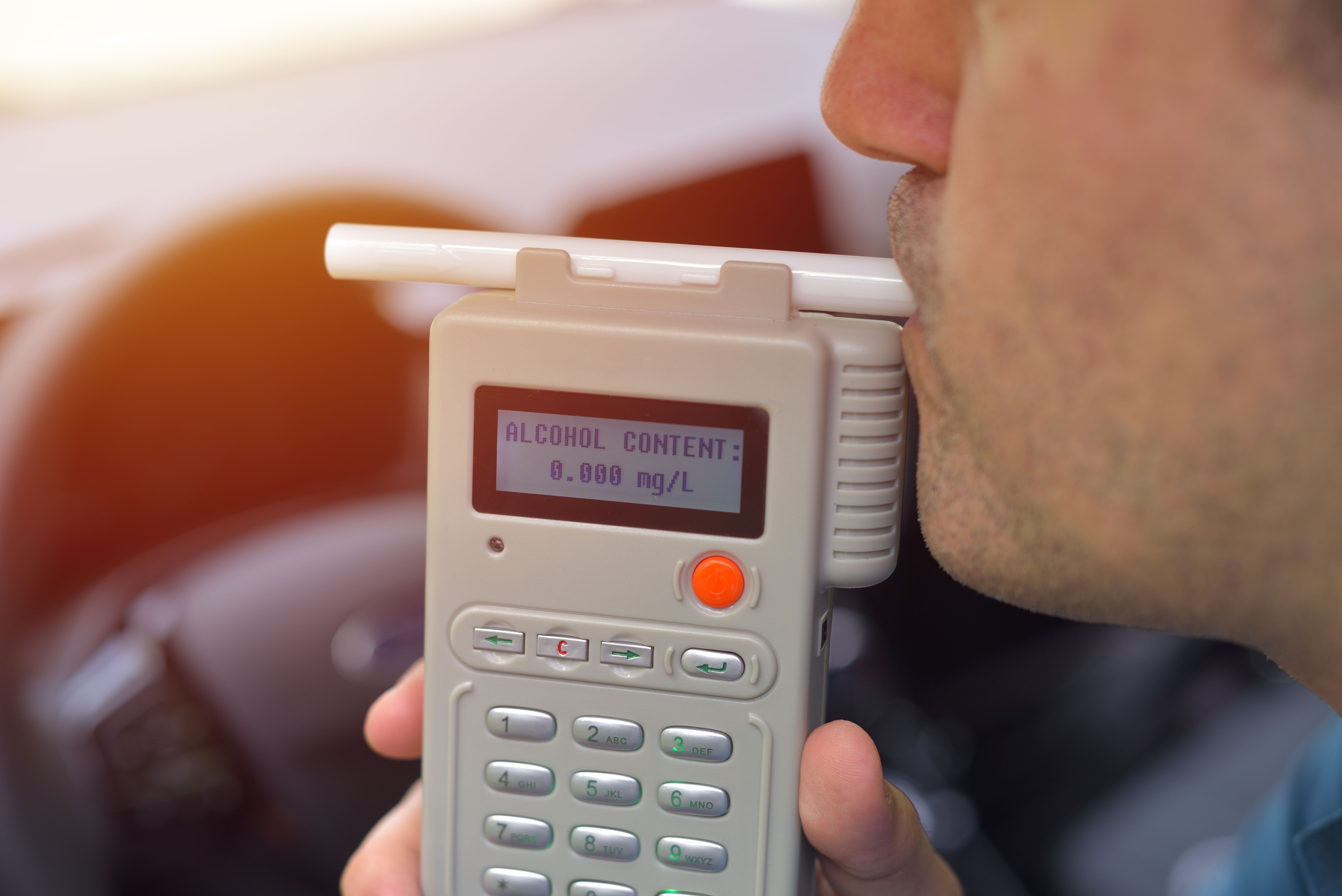
- Advanced Technology: Utilizing state-of-the-art testing equipment enhances accuracy and reliability.
- Employee Education: Programs that educate employees about the risks of alcohol abuse contribute to long-term success.
Case Study: Workplace Safety
One of the standout examples of effective alcohol testing is within New Jersey's corporate sector. Companies have reported a 30% reduction in workplace accidents since implementing these programs. By prioritizing safety, businesses not only protect their employees but also boost overall productivity.

Steps Taken by Companies
Successful companies have adopted the following steps to ensure effective alcohol testing:
- Implementing clear policies and procedures.
- Providing regular training sessions for employees.
- Engaging third-party testing services for unbiased results.
Case Study: School and College Campuses
Educational institutions in New Jersey have also benefited from alcohol testing programs. Schools and colleges have seen a significant decrease in alcohol-related incidents, creating a safer environment for students. These programs emphasize prevention and early intervention, which are key to their success.

Educational Approaches
Schools have taken a proactive stance by:
- Integrating alcohol education into the curriculum.
- Conducting regular awareness workshops.
- Collaborating with local law enforcement for community support.
Conclusion: A Model for Success
New Jersey's approach to alcohol testing programs offers a blueprint for other states and organizations aiming to enhance safety and efficiency. By investing in technology, education, and consistent testing, New Jersey has set a standard that others can follow to achieve similar successes.