
DNA Testing and Privacy Concerns: What You Should Know
Understanding DNA Testing
DNA testing has surged in popularity over the past decade. From exploring ancestral roots to uncovering potential health risks, these tests offer fascinating insights into our genetic makeup. However, as more people engage with DNA testing, privacy concerns have become a significant topic of discussion.
While the allure of discovering one’s heritage is compelling, it’s crucial to be aware of what happens to your genetic data once the test is complete. Companies that offer DNA testing services often store your genetic information, raising questions about data security and privacy.
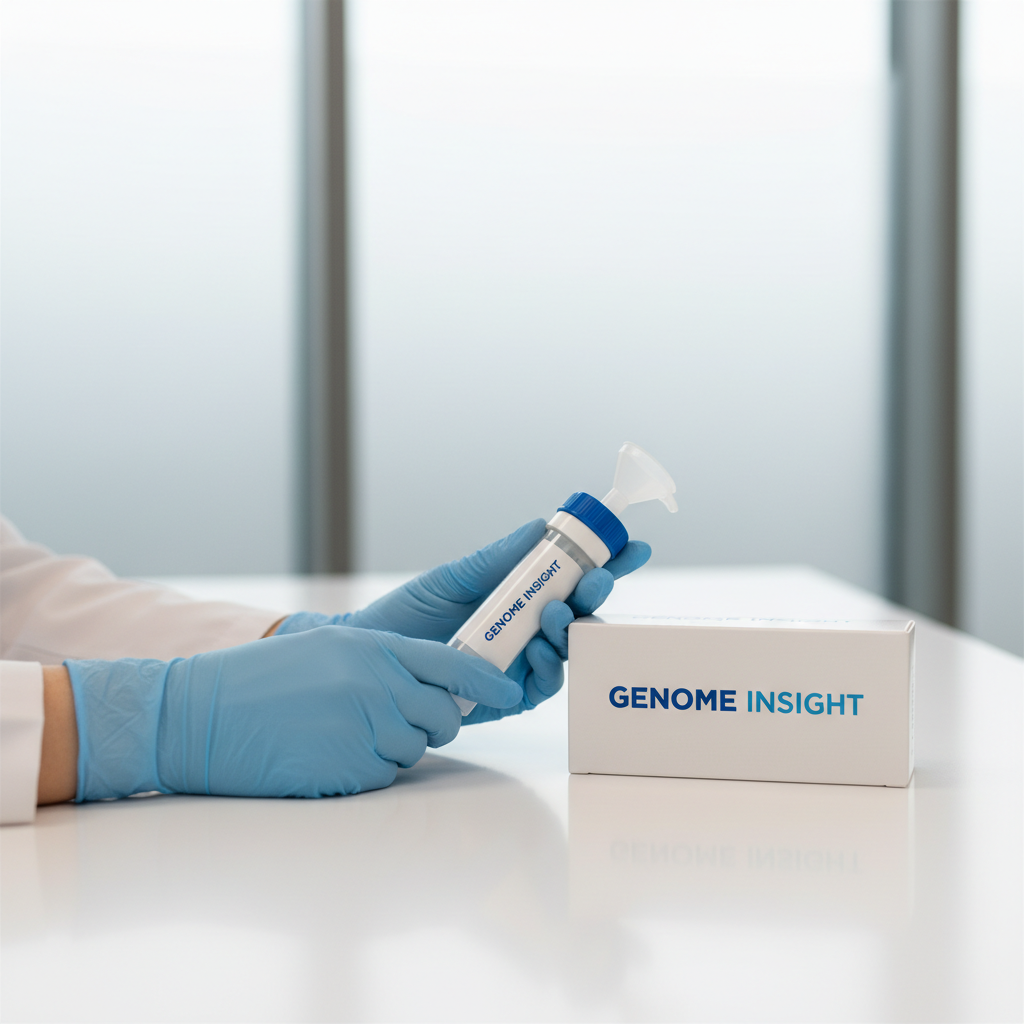
How DNA Data Is Used
When you submit your DNA for testing, the data is typically used to generate reports on ancestry or health. However, it’s essential to read the fine print. Many companies have clauses in their terms of service that allow them to share your information with third parties, such as research organizations or pharmaceutical companies.
This sharing of data can have positive outcomes, such as advancing scientific research or developing new medications. However, it also raises ethical questions about consent and the extent to which individuals control their own genetic information.

Potential Risks and Concerns
One of the primary concerns with DNA testing is the risk of data breaches. Genetic information is highly personal, and if it falls into the wrong hands, it could be misused. Additionally, there are concerns about genetic discrimination, where individuals might face bias based on their genetic predispositions.
In some cases, law enforcement agencies have accessed DNA databases to solve crimes, sparking debates about privacy and the balance between public safety and individual rights. It’s crucial to consider these potential risks before submitting your DNA for testing.

Protecting Your Genetic Information
To safeguard your genetic data, it’s essential to choose a DNA testing company with robust privacy policies. Look for companies that offer clear information about how your data will be used, stored, and shared. Opt for services that provide options to delete your data upon request.
Here are some steps you can take to protect your privacy:
- Read the terms and conditions thoroughly before agreeing.
- Understand the company’s data sharing policies.
- Regularly review privacy policies for updates.
The Future of DNA Testing and Privacy
As technology evolves, the conversation around DNA testing and privacy will continue to grow. Regulatory frameworks may need to adapt to ensure that individuals’ rights are protected while allowing for scientific progress.
Staying informed and proactive about your genetic data is vital. By understanding the implications and taking necessary precautions, you can enjoy the benefits of DNA testing while safeguarding your privacy.