
Expert Insights: Understanding the Impact of Local Regulations on Drug Testing in New Jersey
Introduction to Local Regulations on Drug Testing
In New Jersey, the landscape of drug testing is heavily influenced by local regulations. Understanding these rules is crucial for employers and employees alike. As laws continue to evolve, staying informed is essential to ensure compliance and protect the rights and responsibilities of all parties involved.
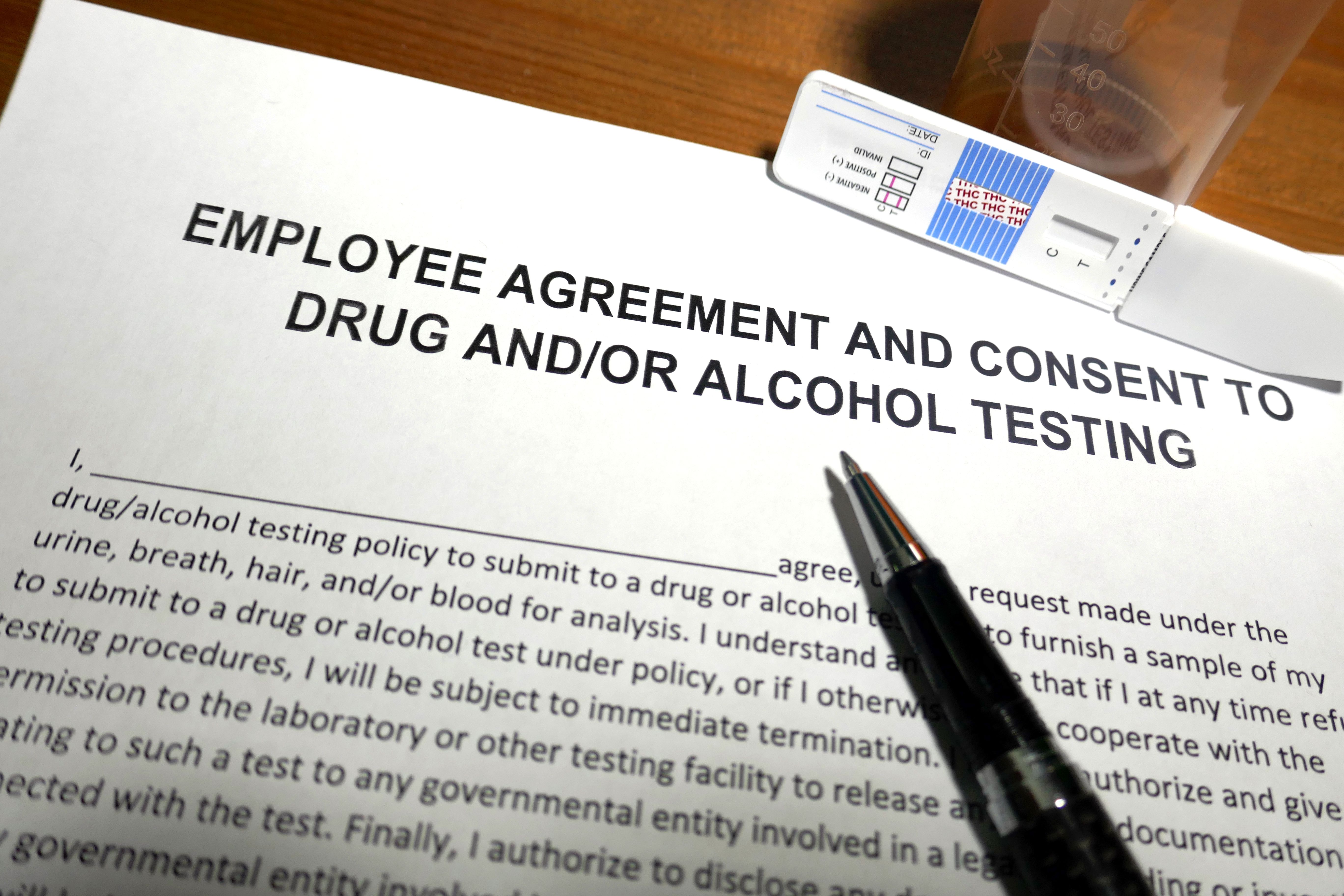
The Legal Framework
New Jersey's approach to drug testing is shaped by both state and federal laws. While federal laws provide a baseline, state-specific regulations add layers of complexity. Employers must navigate these rules to implement fair and legal drug testing policies.
State-Specific Considerations
New Jersey laws require a careful balance between workplace safety and employee privacy. The state mandates specific conditions under which drug testing can occur, especially in industries where safety is a top priority.

Impact on Employers
For employers, understanding local regulations is vital for creating compliant drug testing policies. Failure to adhere to these regulations can result in legal challenges and financial penalties. Employers must also consider the implications of New Jersey's legalization of recreational marijuana and its impact on drug testing protocols.
Developing Compliant Policies
Employers should develop policies that clearly outline the circumstances under which drug testing will occur. Policies should consider the type of testing, frequency, and confidentiality to ensure they meet legal requirements and respect employee rights.

Employee Rights and Responsibilities
Employees in New Jersey have specific rights regarding drug testing. They must be informed of testing policies and have the right to challenge results. Understanding these rights is crucial for protecting oneself from potential discrimination or wrongful termination.
Addressing Concerns
Employees should feel empowered to raise concerns about drug testing policies. Open communication between employers and employees can foster a fair and transparent work environment, ensuring that both parties understand their rights and responsibilities.
Conclusion
Navigating the complex landscape of drug testing regulations in New Jersey requires diligence and understanding. By staying informed and fostering open communication, both employers and employees can ensure compliance and maintain a safe and fair workplace.