
Industry Innovations: The Future of Drug and DNA Testing Technologies
In recent years, the fields of drug and DNA testing have witnessed significant advancements, driven by technological innovations and growing demand for accuracy and efficiency. These changes are not only transforming the way tests are conducted but also expanding their applications across various industries.
Technological Advancements in Drug Testing
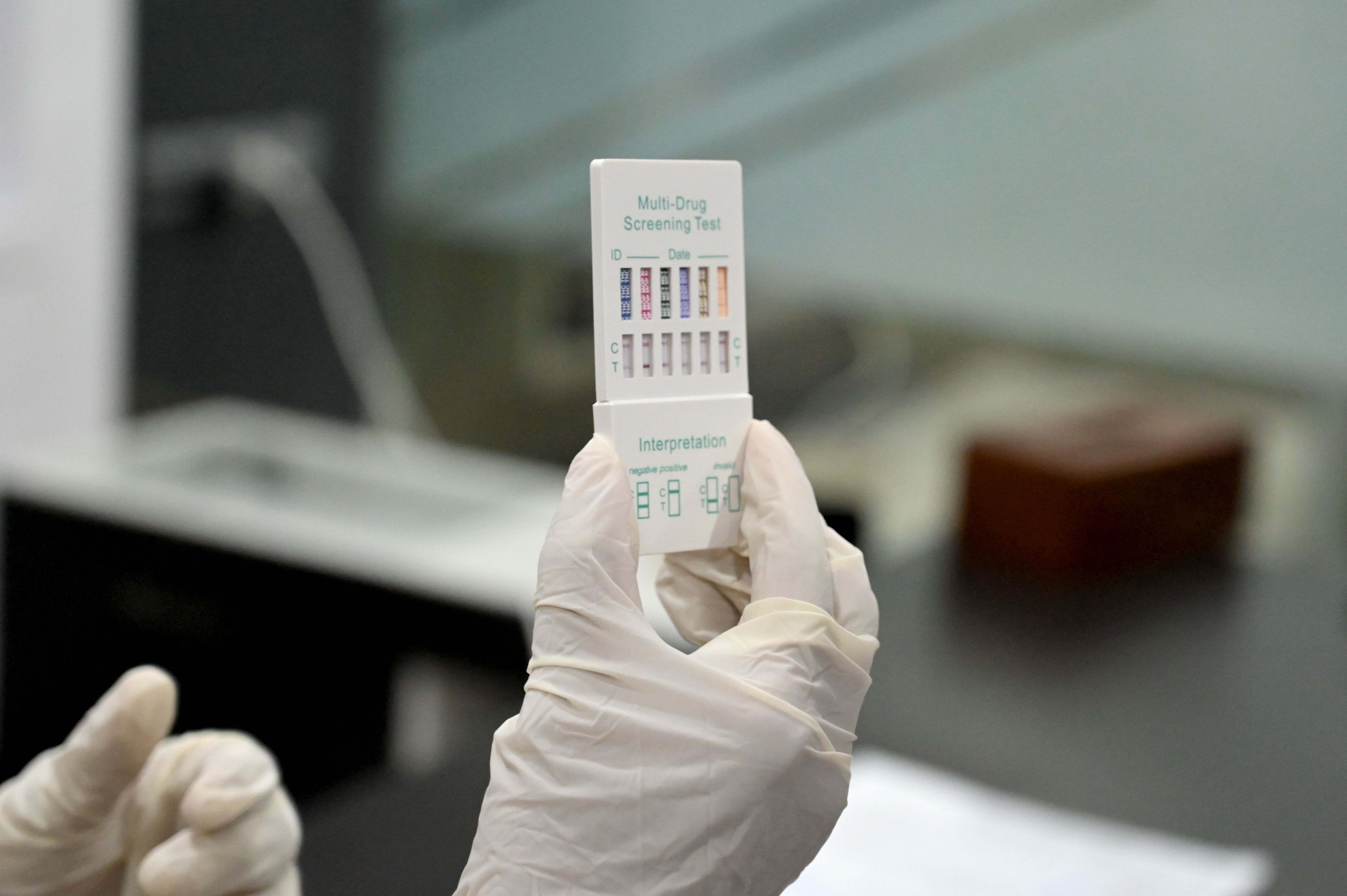
Drug testing technologies have evolved to become more precise and rapid. One of the most notable innovations is the development of point-of-care testing devices. These portable tools allow for immediate results, which can be particularly beneficial in workplaces and law enforcement scenarios.
Additionally, the integration of artificial intelligence and machine learning in drug testing has enhanced the ability to analyze complex data patterns. These technologies help in reducing false positives and improving the reliability of test results. This level of precision is crucial in environments where accuracy is paramount.
New Drug Testing Methods
Emerging methods like saliva and hair follicle testing are gaining traction due to their non-invasive nature. Saliva tests, for example, provide a more convenient and less intrusive way to detect substance use. Hair follicle tests, on the other hand, offer a longer detection window, making them useful for identifying long-term drug use.

Innovations in DNA Testing
The field of DNA testing has seen groundbreaking advancements, particularly with the advent of next-generation sequencing (NGS). This technology allows for faster and more comprehensive analysis of genetic material. NGS has opened up new possibilities in personalized medicine, helping in the identification of genetic predispositions to certain diseases.
Moreover, portable DNA testing devices are becoming more prevalent, enabling on-site testing for applications such as forensic investigations and medical emergencies. This mobility ensures that crucial genetic information can be accessed without delay, potentially saving lives.
Ethical Considerations
With the rapid development of DNA testing technologies, ethical considerations have become increasingly important. Issues such as data privacy and consent are at the forefront of discussions. As these technologies evolve, it is essential to establish robust frameworks to protect individual rights while maximizing the benefits of genetic information.

Future Prospects
Looking ahead, the integration of blockchain technology in drug and DNA testing is a promising prospect. Blockchain can provide a secure and transparent platform for storing and sharing sensitive data, addressing concerns related to data integrity and security.
Furthermore, the continued miniaturization of testing devices will likely lead to the development of wearable technologies capable of real-time monitoring. These innovations could revolutionize healthcare and law enforcement by providing continuous, accurate data.
Conclusion
The future of drug and DNA testing technologies is bright, with numerous innovations on the horizon. As these technologies continue to advance, they promise to enhance accuracy, efficiency, and accessibility, ultimately leading to better outcomes in healthcare, law enforcement, and beyond.