
Navigating Legal Requirements for Court-Ordered Drug Tests
Understanding Court-Ordered Drug Tests
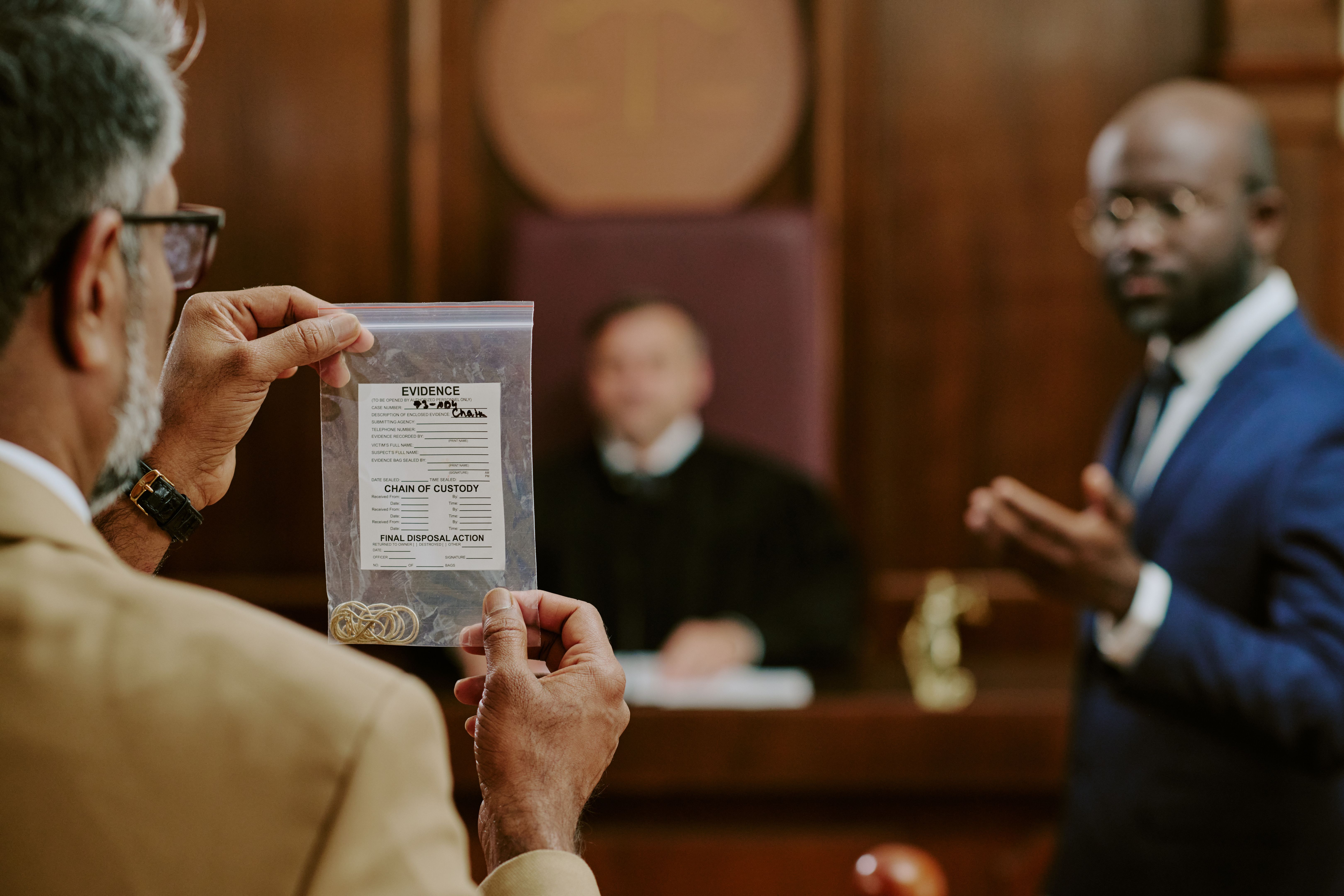
Navigating the legal requirements for court-ordered drug tests can be a complex process. These tests are often mandated as part of probation, child custody cases, or other legal situations. Understanding the intricacies involved is essential for compliance and achieving the desired legal outcomes.
Types of Court-Ordered Drug Tests
Court-ordered drug tests can vary depending on the situation. Common types include urine, hair follicle, blood, and saliva tests. Each type has its own detection windows and levels of accuracy. It's crucial to know which test is required for your specific case.
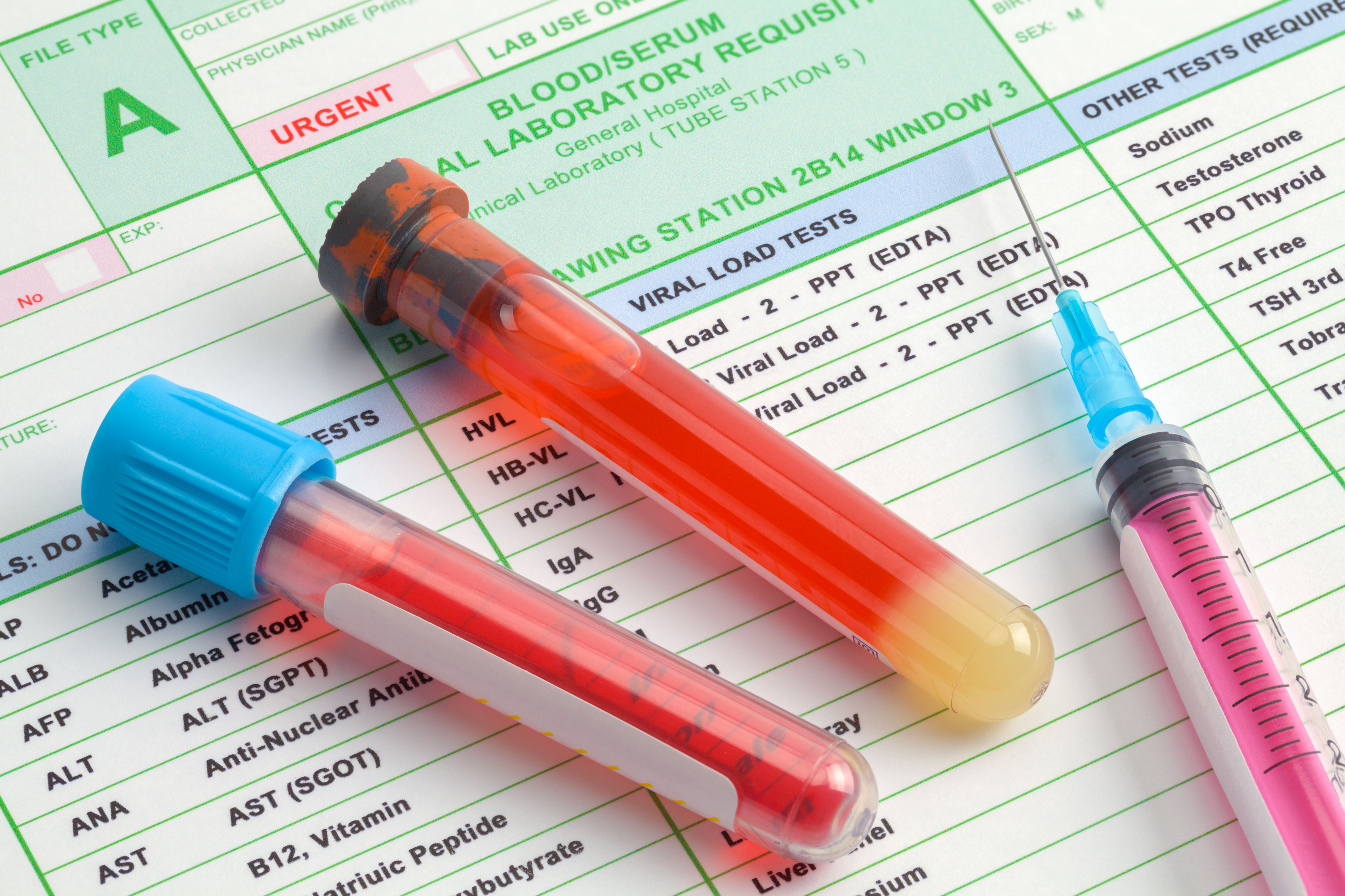
Urine tests are the most common due to their cost-effectiveness and quick results. However, hair follicle tests are often used for longer detection periods, sometimes up to 90 days. Blood tests are typically utilized when immediate drug use needs to be confirmed, while saliva tests are favored for their non-invasive nature.
The Legal Process and Compliance
When subjected to a court-ordered drug test, it is important to follow all legal instructions carefully. Missing a test or failing to comply with the process can result in severe legal consequences. It's vital to understand the timeline and location for testing, as well as any specific conditions set by the court.

Working closely with your legal advisor can help ensure that you meet all requirements. They can provide guidance on documentation, deadlines, and any potential issues that might arise. Always keep a record of your compliance efforts to avoid any misunderstandings.
Possible Outcomes and Consequences
The results of court-ordered drug tests can significantly impact your legal case. A positive result may lead to further legal action, while a negative result could support your position. Understanding the potential outcomes can help you prepare adequately.
If you test positive, the court may impose stricter conditions or additional testing. In some cases, a positive test could lead to incarceration or loss of custody. Conversely, a negative test may strengthen your case and demonstrate compliance with court orders.
Preparing for a Drug Test
Preparation is key when facing a court-ordered drug test. Ensure you are aware of any dietary or medication restrictions that might affect your results. Some over-the-counter medications and foods can lead to false positives, so it’s important to communicate any relevant information to the testing facility.
Maintaining a healthy lifestyle and staying informed about the testing process can help alleviate anxiety and ensure compliance. Remember, transparency with your legal team can provide additional support and guidance throughout the process.
Conclusion
Navigating the legal requirements for court-ordered drug tests requires diligence and awareness. By understanding the types of tests, adhering to legal guidelines, and preparing adequately, you can effectively manage this aspect of your legal obligations. Always seek professional legal advice to navigate these requirements successfully.