
Understanding Alcohol and Drug Testing Laws in Old Bridge, NJ
Introduction to Alcohol and Drug Testing Laws
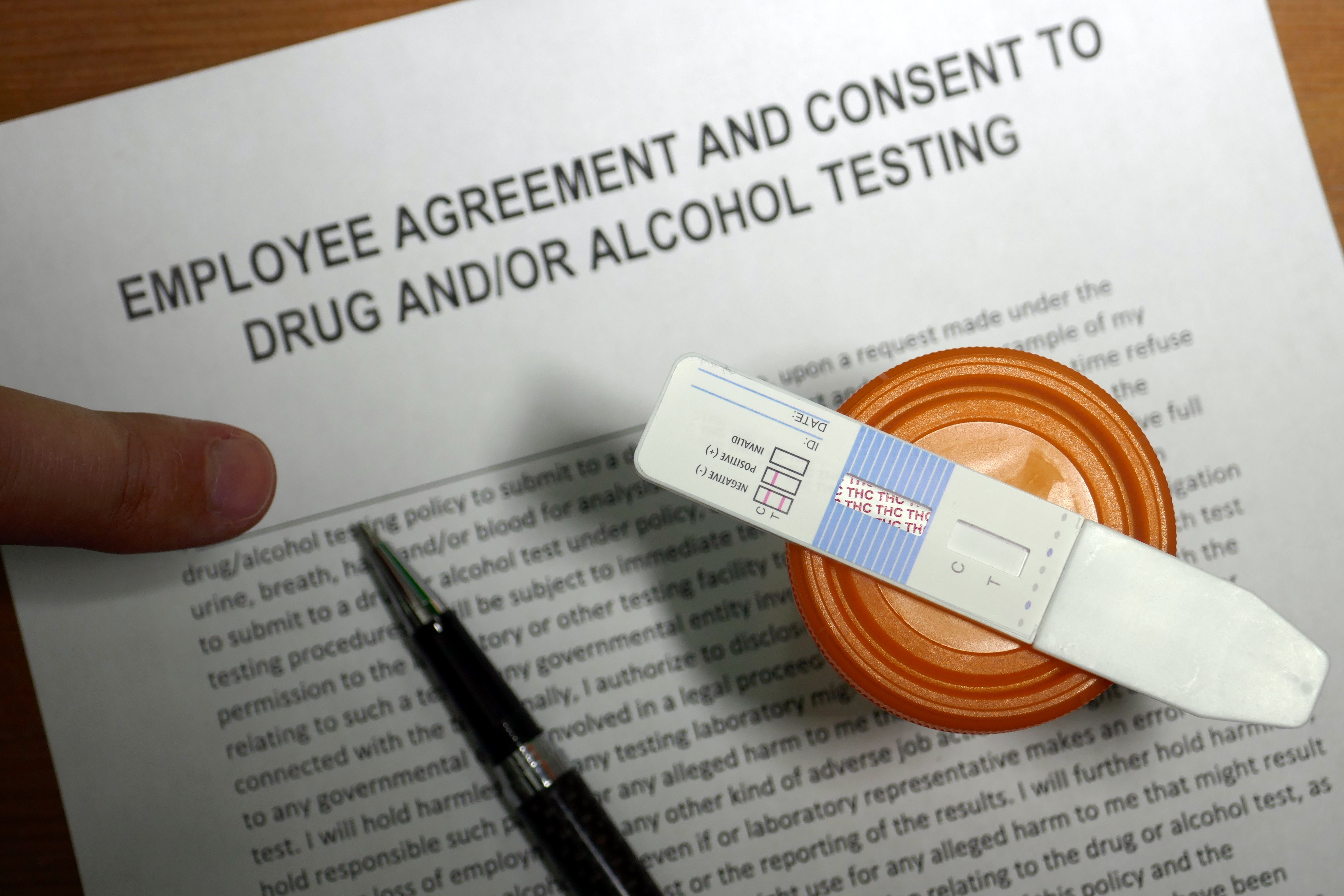
Understanding alcohol and drug testing laws is crucial for both employers and employees in Old Bridge, NJ. These laws are designed to ensure workplace safety and protect individual rights. Whether you're an employer looking to implement a testing policy or an employee wanting to know your rights, familiarity with these regulations is essential.
Federal vs. State Regulations
Federal regulations, such as those from the Department of Transportation (DOT), set the groundwork for alcohol and drug testing, especially in industries related to transportation and safety. However, state laws in New Jersey can provide additional guidelines or restrictions. It's important to understand how these layers of regulation interact.
New Jersey law permits drug testing under specific circumstances, such as pre-employment screening and reasonable suspicion of substance abuse. It's essential to align with both state and federal standards to avoid legal complications.
Types of Testing
Different types of tests are used to detect alcohol and drug use, including urine, hair, saliva, and breath tests. Each has its own level of accuracy and detection period. Employers typically choose based on their specific needs and the legal allowance within their industry.
Pre-employment testing is common, but random testing and post-accident testing are also utilized in certain sectors to maintain safety and compliance with regulations.

Employee Rights and Privacy
While employers have the right to ensure a drug-free workplace, employees also have rights, especially concerning privacy. In New Jersey, employees must be informed about testing policies. Tests should be conducted in a manner that minimizes intrusion and respects confidentiality.
It's crucial for employees to be aware of their rights to challenge any positive test results, particularly if they believe there has been a mistake or if they are taking prescribed medications.
Establishing a Testing Policy
Companies looking to establish a drug and alcohol testing policy should consider several key components. Clearly outline the circumstances under which testing will occur, the types of tests used, and the consequences of a positive test result. Providing training and resources to both management and staff can help in understanding and adhering to the policy.

Legal Considerations and Compliance
Compliance with legal standards is essential to avoid lawsuits and maintain a fair testing process. Regularly reviewing and updating policies in line with changes in state and federal laws is advisable. Legal counsel can provide guidance to ensure that policies are both effective and compliant.
Additionally, it's important to handle any test results with confidentiality and consistency to maintain trust and integrity within the workplace.
Conclusion
Understanding the intricacies of alcohol and drug testing laws in Old Bridge, NJ, is vital for both employers and employees. These laws not only help maintain safety and productivity but also protect individual rights. Staying informed and compliant ensures a balanced approach to workplace substance testing.